If you are thinking about buying or selling in Clayton’s upper-tier market, one question matters more than almost any other: what helps a luxury home hold value over time? In a small, high-demand city, price trends alone do not tell the full story. What matters most is how a home fits into Clayton’s long-term market fundamentals, and that is where smart decisions can make a real difference. Let’s dive in.
Why Clayton Holds Long-Term Appeal
Clayton is not a large, fast-sprawling market. It is a small city with an estimated 17,512 residents, a median household income of $123,000, and a median value of owner-occupied homes of $830,000, according to the U.S. Census QuickFacts for Clayton. Those numbers point to an affluent, established ownership base, which often supports steadier long-term demand.
That stability is especially important in the luxury segment, where inventory can be limited and pricing can vary widely from one street or property type to another. In early 2026, Clayton market data from Realtor.com showed active and competitive conditions, but also a wide range between citywide figures and neighborhood-level pricing. In a market this small, you are usually better served by looking beyond one average number and focusing on location, condition, and property-specific traits.
Location Still Does the Heavy Lifting
In Clayton, long-term value starts with location, but not just in the broad sense. It comes down to how closely a home connects to the city’s most durable demand drivers: business districts, daily conveniences, parks, transit, and major regional access.
According to the City of Clayton’s about page, 81% of the city’s land is devoted to residential or park use, and many residential neighborhoods are within walking distance of business districts, restaurants, galleries, offices, and specialty shops. That land-use mix matters because it supports convenience while also limiting how much new housing supply can be added over time.
Clayton also offers strong regional access. The city says it is within minutes of much of the St. Louis region and about 12 minutes from Lambert International Airport. For executive buyers, relocating households, and long-term owners alike, that combination of neighborhood feel and easy access tends to remain attractive across market cycles.
Limited Supply Supports Premium Pricing
Luxury value tends to hold best when supply stays tight and demand remains broad. Clayton benefits from both. It has a concentrated footprint, a strong employment base, and relatively little room for uncontrolled residential expansion.
The city’s economic development page notes that Clayton has more than 3,400 businesses, about 10 million square feet of office space, 1 million square feet of specialty retail and dining, two MetroLink stations, and a daily workforce of about 45,000. That creates a durable base of people who want proximity to where they work, dine, meet, and move around the region.
For luxury homes, this matters because long-term value is often strongest in places where lifestyle and convenience are difficult to replicate elsewhere. Clayton’s blend of residential streets and urban amenities gives it that kind of staying power.
Zoning and Planning Add Stability
One of the strongest value drivers in Clayton is something many buyers overlook at first: city policy. In higher-end housing markets, stability often comes from thoughtful planning, predictable land use, and clear design standards.
Clayton’s zoning regulations state that zoning is intended to ensure compatible adjacent land uses and help assure owners that nearby property characteristics and values remain stable. That kind of framework can support long-term confidence, especially when you are making a significant investment.
The city also has a Residential Historic Preservation framework and Urban Design District standards intended to preserve architectural history and encourage quality development that respects neighborhood character. For luxury properties, that can be a meaningful advantage. It helps protect the sense of permanence and visual consistency that often support premium values.
Architectural Character Matters in Clayton
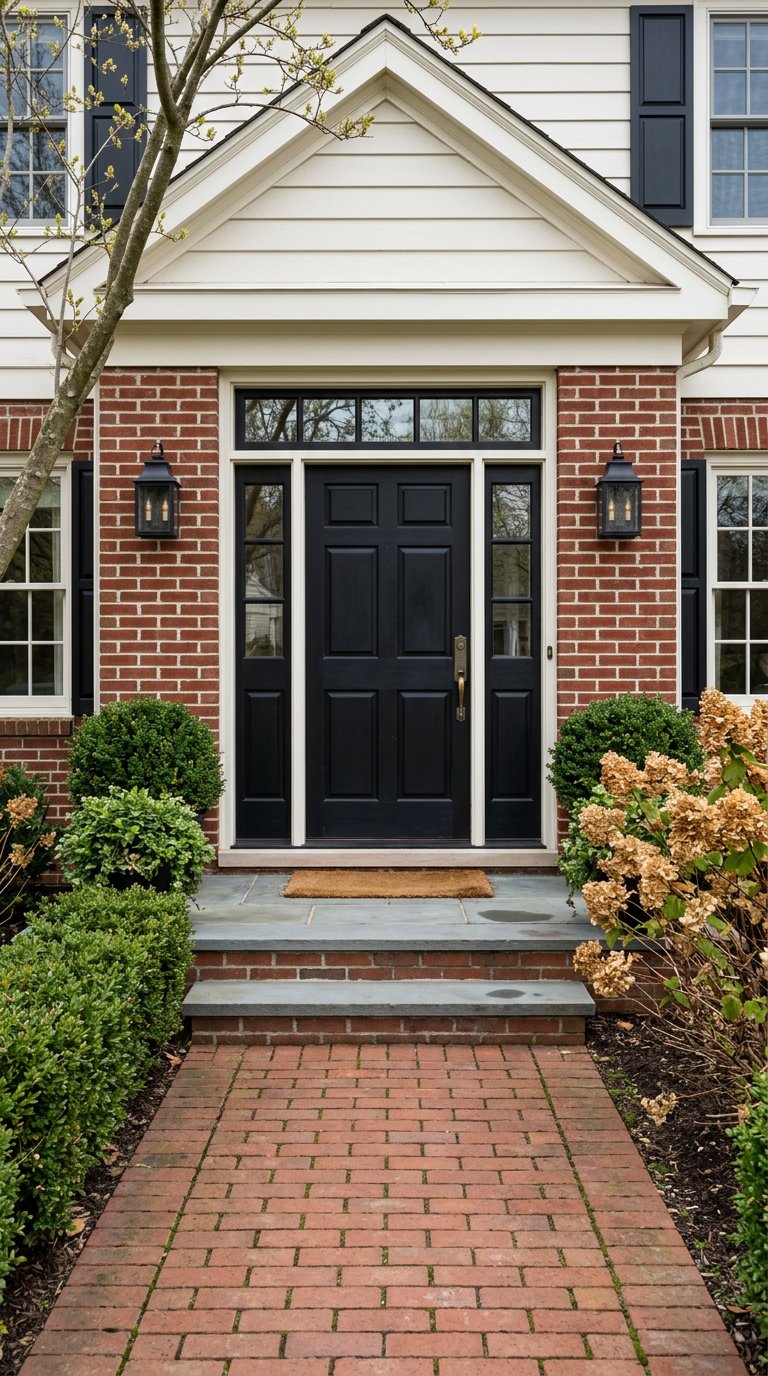
In some markets, newer automatically wins. In Clayton, the picture is more nuanced. Architectural character often adds to long-term value, especially when a home is well maintained and thoughtfully updated.
The city’s preservation framework reflects a broader commitment to protecting distinctive residential character. That helps explain why homes with strong architectural integrity, original detail, and quality updates can remain highly desirable over time. A preserved home does not need to feel frozen in time. It simply needs to honor the features that make it special while keeping systems and livability current.
Clayton’s historic identity also contributes to that sense of permanence. The city identifies the Historic Hanley House as the oldest structure in Clayton and a National Register property. Landmarks like this reinforce the city’s long-established identity, which can strengthen buyer perception over the long run.
Amenities Help Sustain Demand
Luxury buyers are not just evaluating square footage. They are also looking at the daily experience of living in a place. In Clayton, that experience includes parks, recreation, dining, retail, transit, and easy connections to the broader metro area.
One of the clearest examples is Shaw Park, a 47.47-acre park near the heart of Clayton’s business district. It includes an aquatic center, outdoor ice rink, tennis courts, ball fields, playgrounds, and open green space. The city also operates the 124,000-square-foot Center of Clayton recreation center and maintains many public parks.
These amenities support livability, and livability often supports value. In the luxury market, buyers tend to pay attention to how a home connects to everyday quality of life, not just to the home itself.
Schools Remain a Key Part of the Value Story
For many buyers, schools are part of the long-term decision process, even if they are not the only factor. In Clayton, the local district adds another layer of market support.
The School District of Clayton annual assessment report reported a 94.5% APR score, and the district’s long-range facilities planning indicates steady enrollment and continued modernization for future needs. From a market perspective, consistent reinvestment and a strong public reputation can help sustain interest from future buyers.
That does not mean every buyer values schools the same way. It does mean that, in a long-hold market like Clayton, institutional stability can be one more factor supporting demand.
Condition and Maintenance Are Critical
In Clayton’s luxury tier, condition matters greatly. Buyers at this level tend to notice more than finishes. They look at craftsmanship, upkeep, lot quality, landscaping, and whether the home has been cared for consistently over time.
That mindset fits the broader culture of the city. Clayton’s public works programs show ongoing municipal reinvestment, including microsurfacing on roughly a seven-year cycle, larger milling-and-overlay work on an approximately 21-year rotation, annual ADA sidewalk improvements, and resurfacing in the central business district. Public infrastructure maintenance helps reinforce the polished, well-kept feel that buyers expect here.
For homeowners, the takeaway is straightforward. Long-term value is usually supported less by trendy cosmetic updates alone and more by durable fundamentals such as:
- Strong architectural integrity
- A well-positioned lot
- Mature, maintained landscaping
- Updated major systems
- Visible, consistent care over time
Why Citywide Averages Can Mislead
If you are trying to judge long-term value, it is easy to get distracted by headlines about median prices. In Clayton, those figures can be useful for broad context, but they are not enough on their own.
As the local market snapshot from Realtor.com shows, citywide figures can look very different from neighborhood-level data. Downtown Clayton, for example, had a much higher median home price than the broader city snapshot. In a low-inventory luxury market, a few transactions can move averages quickly.
That is why serious buyers and sellers should focus on a more specific lens. The better questions are: How rare is this home? How strong is the location within Clayton? How well has it been maintained? And how does it compare to the most relevant recent properties, not just the broad market average?
What Buyers Should Look For
If you are buying a luxury home in Clayton with long-term value in mind, it helps to focus on characteristics that tend to remain important over time.
Look closely at:
- Proximity to Clayton’s business districts, parks, and transit
- Architectural quality and lasting design appeal
- Evidence of careful upkeep and timely system updates
- Lot setting, privacy, and landscaping maturity
- How the home fits within the surrounding streetscape and neighborhood character
A home does not need to check every box perfectly. But the strongest long-term value cases usually combine several of these fundamentals in one property.
What Sellers Should Keep in Mind
If you own a luxury home in Clayton, long-term value is not just about the house itself. It is also about how clearly that value is presented to the market.
Well-prepared listings tend to perform best when they highlight the qualities buyers care about most: location, architecture, condition, and lifestyle context. In a market where details matter, thoughtful preparation, strong photography, and strategic positioning can help buyers understand why a particular home stands apart.
That is especially true in Clayton, where inventory can be thin and each high-end property has its own story. If you are considering a sale, working with a team that understands both the micro-market and the presentation expectations of luxury buyers can make a measurable difference. If you want tailored guidance on positioning a Clayton home for today’s market, Thompson & Richardson Real Estate offers a private, highly detailed approach built around preparation, presentation, and local insight.
FAQs
What supports long-term value in Clayton luxury homes?
- The strongest value drivers are location, limited supply, architectural character, ongoing maintenance, and access to Clayton’s business districts, parks, transit, and other everyday amenities.
Are historic homes in Clayton a disadvantage for resale value?
- Not necessarily. In Clayton, preservation standards are designed to protect distinctive architectural character, which can support value when a home is well maintained and thoughtfully updated.
How useful are average home price numbers in Clayton?
- They are helpful for broad context, but Clayton is a small market with thin luxury inventory, so neighborhood-level and property-level analysis is usually more useful than one citywide average.
Why does zoning matter for Clayton home values?
- Clayton’s zoning framework is intended to support compatible land uses and stable property characteristics, which can add confidence for long-term owners.
Do parks and public amenities affect Clayton luxury home demand?
- Yes. Amenities like Shaw Park, the Center of Clayton, walkable business districts, and transit access contribute to livability, which often supports long-term demand in the luxury market.