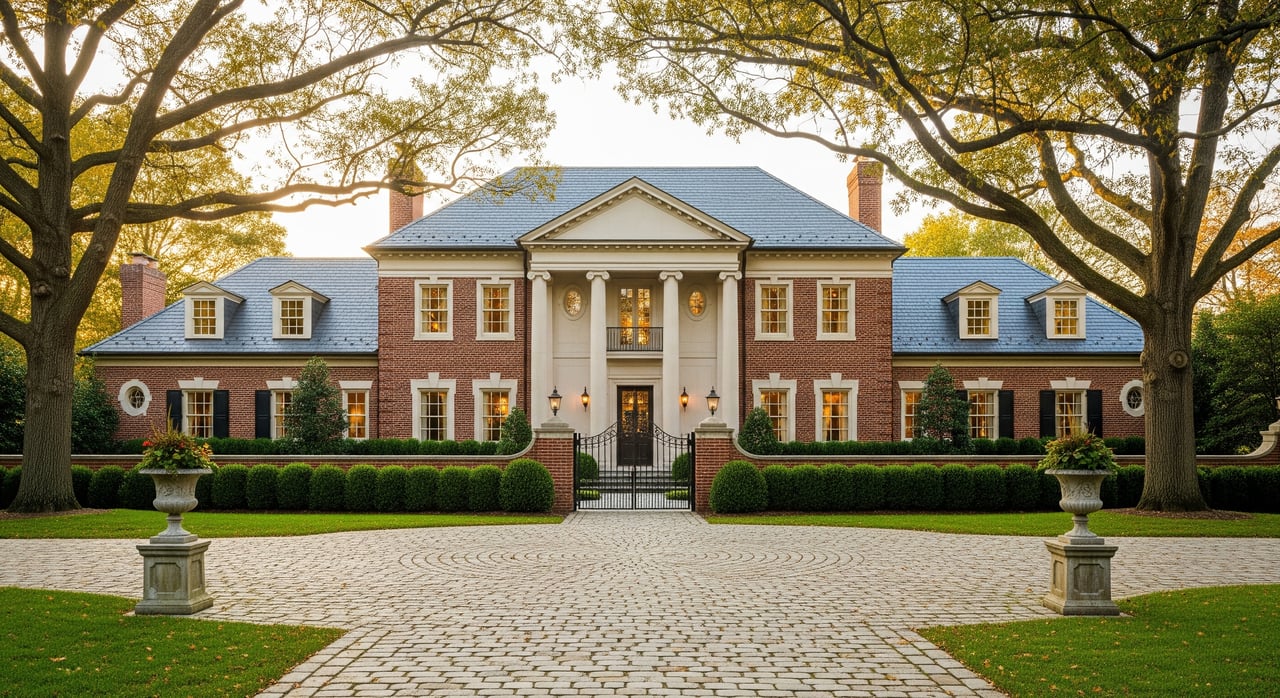
Are you touring Ladue homes and wondering whether a prequalification letter is enough to win an offer? If you are relocating or shopping in the luxury range, the right financing prep can be the difference between a smooth closing and a stressful scramble. You deserve a clear, practical path that fits Ladue’s market. In this guide, you will learn the real difference between prequalification and preapproval, what documents lenders expect for jumbo loans, realistic timelines, and simple steps to strengthen your offer. Let’s dive in.
Prequalification vs. preapproval
Prequalification and preapproval both help you plan, but they are not equal in a competitive, higher‑price market like Ladue.
Prequalification at a glance
- A quick, informal estimate based on what you tell a lender about income, assets, and debts.
- Often completed online or by phone in minutes to a day.
- May include a soft credit check or none. No document verification.
- Useful for setting an initial price range, but weaker in seller negotiations, according to consumer guidance.
Preapproval at a glance
- A verified credit decision subject to standard conditions such as appraisal and title.
- Requires a full credit pull and review of income, assets, and debts by the lender.
- Produces a preapproval letter for a maximum loan amount, based on documents the lender has reviewed.
- Strongly signals to sellers that you are ready and can shorten underwriting after you go under contract.
What matters in Ladue
- Listing agents often view a recent, documented preapproval as materially stronger than a prequalification.
- Cash and fully underwritten approvals, sometimes noted as “approval subject to appraisal,” carry the most weight.
- If you plan to finance a luxury or jumbo purchase, a thorough preapproval can help your offer compete with cash on speed and certainty.
What documents you need
Lenders verify different items at each stage. Luxury and jumbo borrowers should expect deeper documentation.
For a quick prequalification
- Name and contact information
- Social Security number may not be required
- Estimated income, monthly debts, and assets
- Desired price range and down payment estimate
- Employment status
For a strong preapproval
- Government photo ID and Social Security number
- Recent pay stubs covering 30 days
- W‑2s for the last 2 years
- Federal tax returns for the last 2 years
- Bank statements for the last 2–3 months for all relevant accounts
- Retirement and investment account statements if used for funds or reserves
- Gift documentation when applicable
- Current mortgage statements for other properties
- Letters of explanation for credit events or employment gaps
- Purchase contract details once you are under contract
- Proof of homeowners insurance prior to closing
For luxury and jumbo borrowers
- Longer bank and asset histories, often 6–24 months, to source large deposits
- Two years of personal and business tax returns, including K‑1s or Schedule C for self‑employed buyers
- Profit‑and‑loss statements and balance sheets for business owners, and possible CPA letters
- 1099s and year‑end statements for commission or contract income
- Documentation for trust, retirement, or inherited funds used for the purchase
- Source‑of‑funds letters for large transfers
- Details to support appraisal on unique or high‑value properties
- Cash‑flow or lease schedules for income properties
- Documentation for foreign income or assets when applicable
Timelines you can expect in Ladue
Your timing depends on the level of verification, loan size, appraisal scheduling, and the property itself.
Typical timing steps
- Prequalification: minutes to 1–2 days
- Preapproval: 1–7 business days once you submit full documents; longer if your income is complex or jumbo
- Underwriting to clear‑to‑close after contract: about 10–30 days, driven by appraisal, title, and final reviews
- Full contract to closing: often 30–45 days in many markets; luxury transactions can take longer if appraisal or survey issues arise
Local factors that can add time
- Appraisals on high‑value homes: specialized appraisers and limited comps can add time. Scheduling and reports often take 2–4 weeks, and lender reviews may add days.
- Title, HOA, and surveys: older estates or larger parcels can have complex title histories or require updated surveys.
- Cash vs. financed offers: strong preapprovals help financed buyers compete, but an appraisal contingency still applies when you use a mortgage.
- Seller preferences: some Ladue sellers ask for recent, fully documented preapproval letters before accepting showings or offers.
How lenders evaluate luxury borrowers in Missouri
Jumbo lending involves closer review of income stability, liquidity, and property marketability.
Loan size and product type
- Loans above the annual conforming loan limit are considered jumbo and follow different pricing and underwriting rules.
- Some areas have higher conforming limits, which can reduce reserve requirements. Confirm the current limit for St. Louis County with your lender.
Credit, debt ratios, and reserves
- Jumbo programs often expect higher credit scores.
- Debt‑to‑income allowances vary by lender and program.
- Reserves are a priority for jumbo loans. Lenders may ask for 6–12 months or more of principal, interest, taxes, and insurance, depending on profile and loan size.
Income complexity and documentation
- W‑2 buyers generally provide 2 years of W‑2s and current pay stubs.
- Executives and self‑employed buyers should be ready with 2 years of personal and business returns, and possibly CPA letters and current P&L statements.
- Bonuses, deferred comp, and stock options may be included if they meet program rules and can be verified.
Property and appraisal for high‑value homes
- Lenders often require appraisers with high‑end market experience and may order additional reviews.
- Unique homes, specialty features, large lots, or historic elements can trigger more analysis to support value and marketability.
Missouri regulatory basics
- Work with NMLS‑registered loan officers who follow Missouri licensing requirements.
- Local title companies manage state and county recording practices and typical closing steps.
Strategy: which to get, and when
Start with a quick prequalification to shape your search. Move to a fully documented preapproval before you tour serious contenders or write an offer. In the Ladue luxury segment, that timing helps you act quickly and negotiate from strength.
Steps to strengthen your offer and speed closing
- Choose a local lender experienced with Ladue and jumbo portfolios.
- Assemble documents early: last 2 years of tax returns, 60–90 days of bank statements, proof of reserves, and clear explanations for any unusual deposits.
- Plan for appraisal timing and ask your lender about options for appraisal reviews on high‑value homes.
- Consider a larger earnest deposit or an escalation clause after consulting your agent and attorney, and highlight your preapproval status in the offer.
- If using stock, trust, or partnership funds, prepare trustee letters, broker statements, and transfer documents.
- If most of your wealth is illiquid, ask about bridge or portfolio lending options.
- Confirm reserve and underwriting overlays for your target loan size with each lender.
- For out‑of‑area buyers, use a lender that offers secure e‑docs, remote verification, and e‑closing capabilities.
Relocating executive scenarios
- Need to close fast: request a full preapproval with initial underwriting before you write an offer, and explore short‑term bridge solutions if you are buying before selling.
- Employer relocation benefits: gather employer letters that outline timing and amounts for housing or relocation funds.
- International income or assets: engage a lender early that understands foreign documentation and timing.
Your next step
If Ladue is on your short list, put your financing on the strongest footing now. We can help you focus your search, coordinate with trusted local lenders, and position your offer to compete in the luxury segment. For discreet, high‑touch guidance, connect with Thompson & Richardson Real Estate.
FAQs
What is the difference between prequalification and preapproval?
- Prequalification is a quick, self‑reported estimate of buying power. Preapproval is a verified review of your credit, income, and assets that produces a lender letter and carries more weight with sellers.
Do Ladue sellers accept prequalification letters?
- Some may consider them, but many sellers and listing agents prefer recent, fully documented preapprovals, especially for higher‑value homes.
What documents do jumbo lenders usually require?
- Expect deeper asset histories, two years of personal and business returns if applicable, statements for investment and trust accounts, and proof of reserves, along with standard income and credit verification.
How long does the appraisal take in Ladue?
- For high‑value homes, specialized appraisals often take 2–4 weeks, and lender reviews can add additional time.
Can I use stock, trust, or partnership funds for my down payment?
- Yes, if you can document ownership and the source of funds, and provide any needed trustee or CPA letters and account statements.
Should I use a local lender for a Ladue purchase?
- A lender experienced with Ladue, jumbo products, and local appraisers can help reduce delays and set accurate expectations on reserves, timelines, and underwriting.