If you are relocating for a leadership role or a new chapter in St. Louis, Clayton often rises to the top quickly. It offers a rare mix of central access, established residential streets, and a true business district in one compact city. For executive homebuyers, that means you can balance commute time, day-to-day convenience, and long-term lifestyle without feeling pushed far from the region’s core. Let’s dive in.
Why Clayton stands out
Clayton is small in size but significant in function. The city covers just 2.51 square miles and has 17,355 residents, yet it also serves as the seat of St. Louis County and includes a major central business district with about 7,000,000 square feet of office space and 1,000,000 square feet of retail.
That combination shapes the home search in a meaningful way. You are not choosing between a purely residential suburb and a purely commercial hub. In Clayton, you can live near offices, dining, parks, and transit while still finding established single-family neighborhoods and quieter residential pockets.
Another useful point for relocation buyers is geography. Clayton sits just west of the City of St. Louis and within the central corridor, bordered by places including University City and Ladue. If you want to be well connected to the broader region without living on the outer edge of it, Clayton checks that box.
What executive buyers should know first
A move to Clayton is usually less about whether the city works and more about how you want it to work for you. Your ideal fit often depends on four priorities:
- proximity to work or MetroLink
- school assignment confirmation
- maintenance level
- walkability versus lot size and privacy
Those filters matter because Clayton is not one uniform neighborhood. It is a collection of named subdivisions and enclaves, including Claverach Park, Davis Place, Hillcrest, Moorlands, Old Town Clayton Subdivision, Wydown Forest, Brentmoor Park, DeMun Park, North Bemiston, and West Bemiston, among others.
That means your search should be block by block, not just citywide. Two homes with the same price point may offer very different daily routines, street character, and access to parks, offices, or transit.
Housing options in Clayton
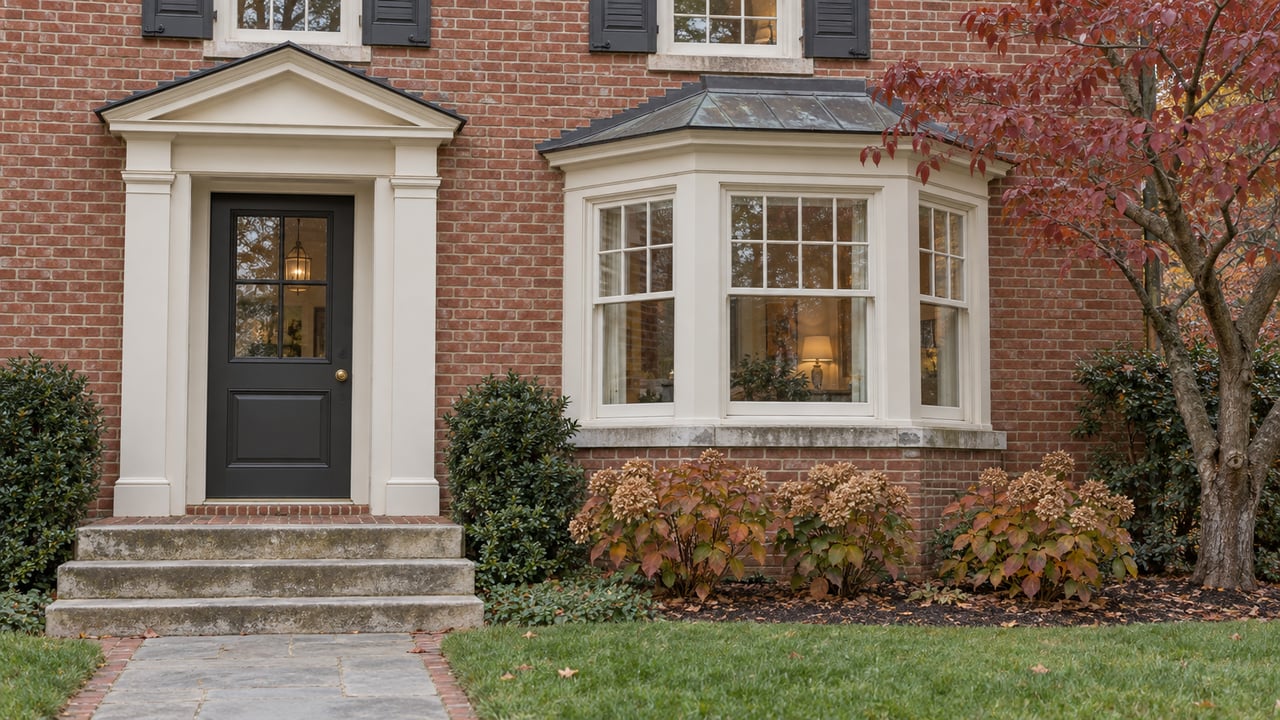
Clayton offers a mixed housing stock that can work for several executive buyer profiles. City materials describe a range that includes stately single-family homes, condominiums, and multiple-family apartments.
For many relocating buyers, the practical choice comes down to three broad paths:
Walkable condos and apartments
If convenience leads your list, a condo or apartment near the business district may be appealing. This option can reduce exterior maintenance and place you closer to dining, retail, offices, and transit.
It can be especially useful if your schedule involves regular travel or long work hours. A lower-maintenance home base may free up time while still keeping you in the center of daily activity.
Established single-family neighborhoods
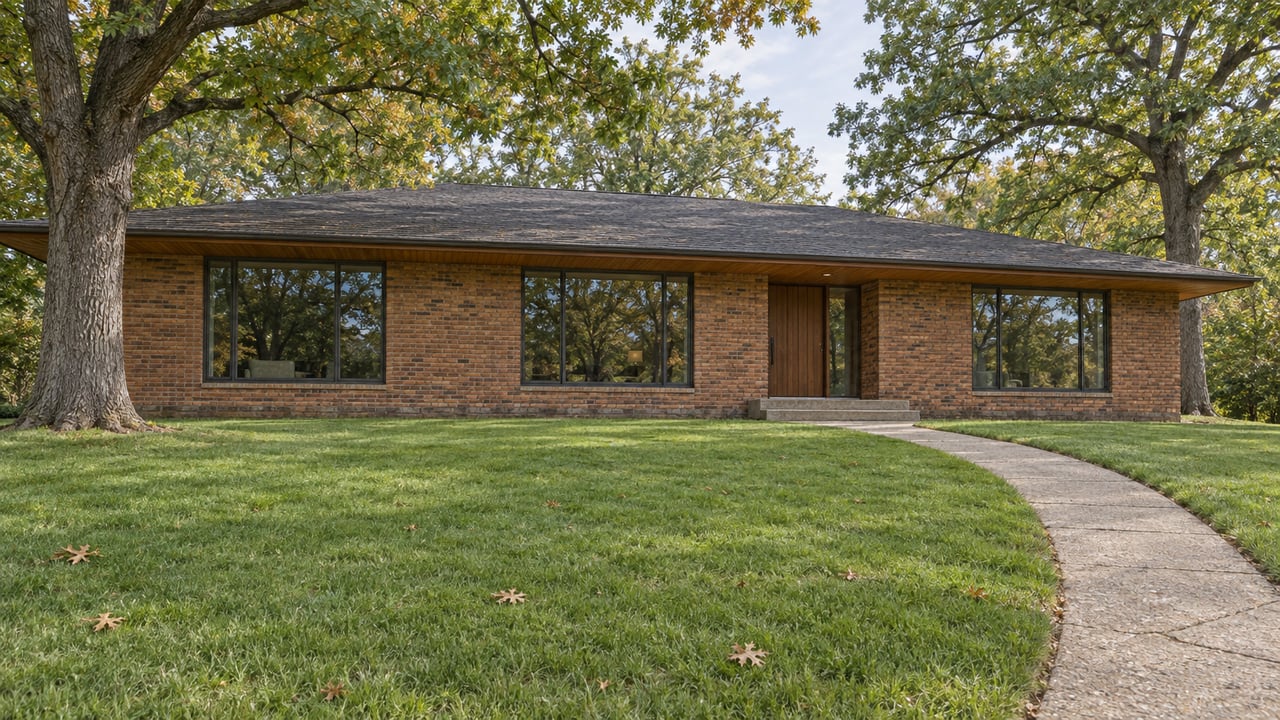
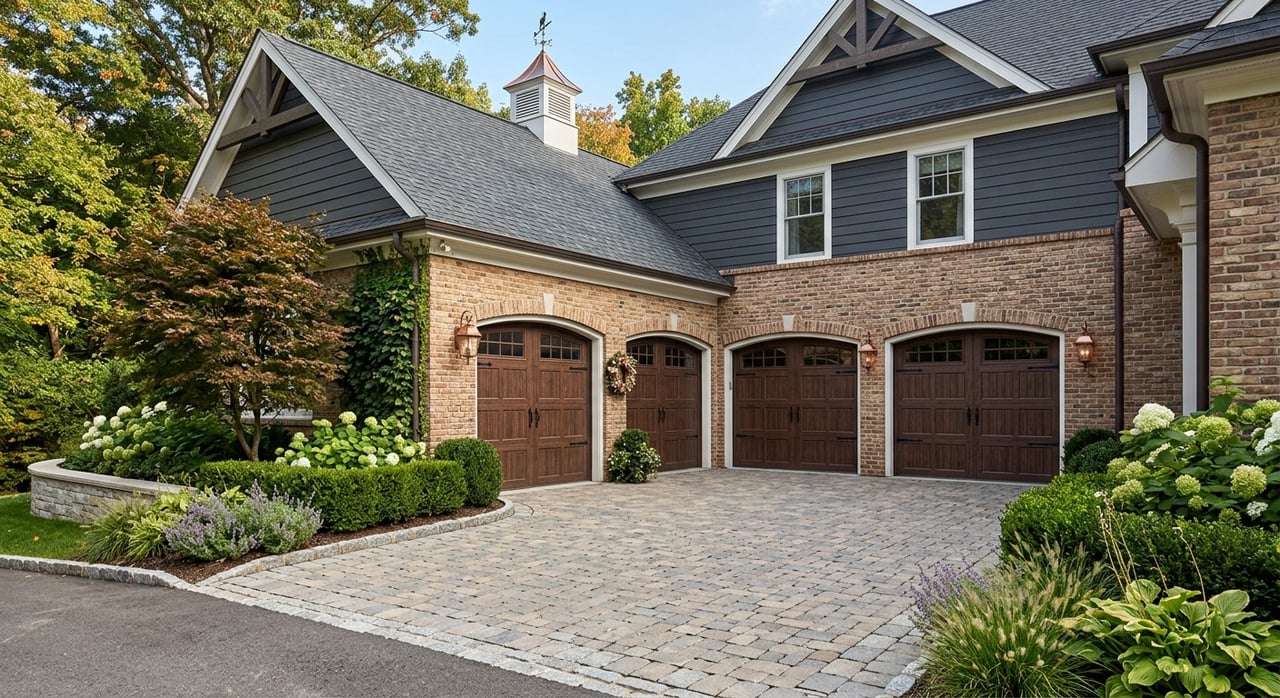
If space, privacy, and a more traditional residential setting matter most, Clayton’s detached homes in established subdivision pockets may be the better fit. These areas often appeal to buyers who want more interior square footage, private outdoor space, or a quieter street feel.
For executive households moving from another suburban luxury market, this part of Clayton often feels familiar in the best way. You may find the architectural presence and neighborhood identity you want while still staying close to the region’s core.
Transit-oriented choices
Some buyers want to minimize driving as much as possible. In Clayton, a transit-oriented search can make sense because MetroLink serves the city directly and connects it to downtown St. Louis and Lambert International Airport.
If your role includes frequent airport trips or meetings across the region, this can be a real advantage. It gives you flexibility beyond the usual car-dependent suburban pattern.
What the market says about pricing
Clayton is firmly a high-price market, so it helps to arrive with clear expectations. Recent data points place the city in an upper-tier band, with ACS QuickFacts showing a median owner-occupied home value of $799,200 and market trackers in March 2026 showing an average home value of $871,223 and a median sale price of $945,700.
These numbers should be viewed as directional rather than interchangeable, since they measure different things. Still, they tell the same general story: Clayton commands premium pricing, and buyers should be prepared for a competitive luxury and upper-end market.
That premium often reflects more than the house itself. You are also paying for central location, established neighborhoods, access to business and transit infrastructure, and a dense network of parks and amenities.
Commute and regional access
For executive buyers, commute quality often carries almost as much weight as the home itself. Clayton performs well here because of both location and transportation options.
Census data lists the city’s mean travel time to work at 16.6 minutes, compared with 23.1 minutes for St. Louis County. While every commute is personal, that gap reinforces what many buyers notice right away: Clayton sits in a very efficient position for regional movement.
If you drive, access points near Forsyth, Central, Brentwood, and major arterial routes can support shorter trips across the metro. If you prefer transit or want a backup to driving, Clayton has two MetroLink stations serving the city: Forsyth and Clayton.
The Clayton station also connects to a pedestrian walkway, the MetroBus Center, and bus routes including 33 Midland, 58 Chesterfield Valley, 79 Ferguson-Clayton, and 97 Delmar. For buyers who want options, that matters.
Airport access is another practical advantage. The city reports that Lambert International Airport is about 12 minutes away, which can be a major quality-of-life benefit if you travel often for work.
Everyday life in Clayton
Relocation decisions are rarely about commute alone. Once the workday ends, you still want a place that feels easy to live in.
Clayton’s amenity base is strong for a city of its size. Parks and Recreation manages 12 parks, along with the Center of Clayton, the Shaw Park Aquatic Center, and the Shaw Park Tennis Center.
Shaw Park is the city’s oldest and largest park at 47.47 acres and sits near the business district. That gives many residents a combination that is hard to find elsewhere: proximity to offices and dining with meaningful green space close by.
The Center of Clayton adds another layer of convenience. At 100,200 square feet, it includes fitness areas, two pools, a climbing wall, childcare, and on-site dining.
For many relocating households, those amenities help reduce friction in the first year. You can settle in faster when recreation, fitness, and daily convenience are already built into the city around you.
How to narrow your search
A focused search usually works better than trying to tour every corner of Clayton at once. Start with the lifestyle you actually want on a Tuesday, not just the home that looks best online.
Here is a simple way to frame your search:
If commute comes first
Prioritize areas near the central business district and access points around Forsyth, Central, and Brentwood. Those locations can support quick regional travel and easier use of MetroLink.
If you want low maintenance
Focus on condos or apartments. This route may suit buyers who travel frequently, want a lock-and-leave lifestyle, or prefer convenience over yard work and exterior upkeep.
If space and privacy matter most
Look closely at detached homes in established subdivision pockets. This is often the right path if you want more square footage, outdoor space, and a quieter residential setting.
If daily convenience matters most
Search near Shaw Park, the Center of Clayton, and areas with easy access to dining and retail. For some buyers, being able to move through daily life easily is just as important as the home itself.
School boundary awareness matters
If school assignment is part of your move, confirm boundaries early. The School District of Clayton serves the entire city plus portions of Richmond Heights and unincorporated St. Louis County, and the district notes that its map is only a general reference.
That makes address-level verification important during your search. Even if a home carries a Clayton mailing address or feels closely tied to the city, school assignment should be confirmed directly before you make decisions based on it.
For relocation buyers, this is one of the easiest details to handle upfront and one of the most important to clarify early.
Why local guidance makes a difference
Clayton rewards a nuanced search. Because the city is compact, highly connected, and made up of distinct residential pockets, small location shifts can have a big impact on your day-to-day experience.
That is especially true for executive buyers balancing commute patterns, travel demands, desired home style, and neighborhood feel. A well-planned search can help you avoid overbuying for features you do not need or overlooking areas that fit your lifestyle better than expected.
If you are planning a move to Clayton, the best strategy is to match your housing choice to how you actually live. Whether that means a polished condo near the business district or a detached home in an established enclave, clarity on priorities will help you move with confidence.
If you want a tailored, high-touch introduction to Clayton’s luxury market, connect with Thompson & Richardson Real Estate. Their boutique local approach can help you focus on the right neighborhoods, home styles, and search strategy for your relocation goals.
FAQs
What makes Clayton appealing for executive homebuyers?
- Clayton offers a central location, a major business district, direct MetroLink access, short regional commute potential, and a mix of condos, apartments, and stately single-family homes.
What housing types can you find in Clayton, Missouri?
- Clayton includes stately detached homes, condominiums, and multiple-family apartments, giving buyers options for low-maintenance living or more space and privacy.
How expensive is the Clayton housing market?
- Clayton is a high-price market, with ACS QuickFacts showing a median owner-occupied value of $799,200 and March 2026 market trackers showing values and sale prices in the upper $800,000s to mid-$900,000s.
How is the commute from Clayton to other parts of St. Louis?
- Clayton’s mean travel time to work is 16.6 minutes, and the city offers strong regional access through major roads, MetroLink stations at Forsyth and Clayton, and bus connections.
How close is Clayton to Lambert International Airport?
- City information reports Lambert International Airport is about 12 minutes away, which can be a strong advantage for frequent travelers.
What amenities should relocating buyers know about in Clayton?
- Key amenities include 12 parks, Shaw Park, the Shaw Park Aquatic Center, the Shaw Park Tennis Center, and the Center of Clayton with fitness space, pools, childcare, and other everyday conveniences.
How should families verify school assignment in Clayton?
- Families should confirm school boundaries early because the School District of Clayton serves the full city plus parts of nearby areas, and the district states its map is only a general reference.