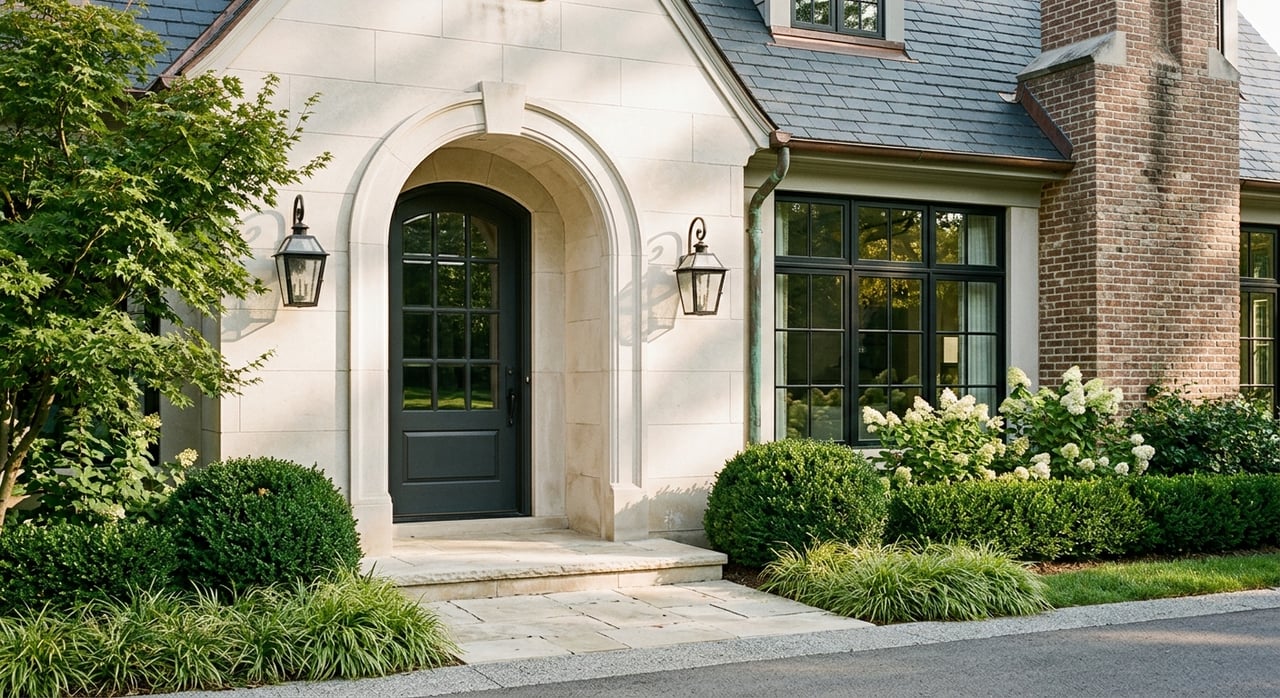
What makes a Ladue luxury home feel unmistakably like Ladue? It is not just square footage or price point. It is the way architecture, lot size, materials, and landscape come together to create a sense of permanence. If you are buying, selling, or simply trying to understand what sets this market apart, this guide will help you recognize the styles that shape Ladue’s identity and what they mean for daily living. Let’s dive in.
Why Ladue Has Architectural Range
Ladue’s housing stock reflects decades of planning and review. City documents describe Ladue as a mature, largely single-family community with rolling hills, mature vegetation, and an architecturally diverse collection of fine estates, large homes, and elegant cottages.
That variety is not accidental. Ladue’s Architectural Review Board, first established soon after the city’s incorporation in 1936, is intended to preserve the qualities that originally defined the community while allowing contemporary materials and design to fit the setting.
Lot sizes also shape the look and feel of the housing stock. District A includes 3-acre minimum lots, while other districts step down to smaller lot patterns, which means some homes sit on wooded estate sites and others appear in more compact suburban settings.
For you as a buyer or seller, that matters because architecture in Ladue is closely tied to site placement. A home’s style often feels strongest when it fits the scale of the lot, the surrounding homes, and the mature landscape around it.
Tudor Revival in Ladue
Tudor Revival is one of the clearest traditional styles associated with larger Ladue estates. In the St. Louis area, the style is identified by brick-based construction, prominent front gables, dormers, casement windows, and decorative half-timbering.
In Ladue, Tudor homes often bring a strong sense of presence from the street. Steep rooflines, substantial masonry, and stone detailing give these homes a rich, established look that fits well with deep lots and mature trees.
Inside, Tudor-style homes often feel more segmented than newer custom builds. Rather than one expansive open area, you are more likely to find rooms with distinct purposes and a more traditional room-by-room layout.
What Tudor Means for Daily Living
If you are drawn to architecture with character and texture, Tudor homes often deliver that in a memorable way. Their materials and rooflines create visual drama, while the floor plans can support privacy and separation between living spaces.
For sellers, Tudor homes often stand out when their original architectural features are highlighted clearly. Buyers tend to respond to authentic details like masonry, windows, gables, and the overall estate-like setting.
Colonial and Georgian Elegance
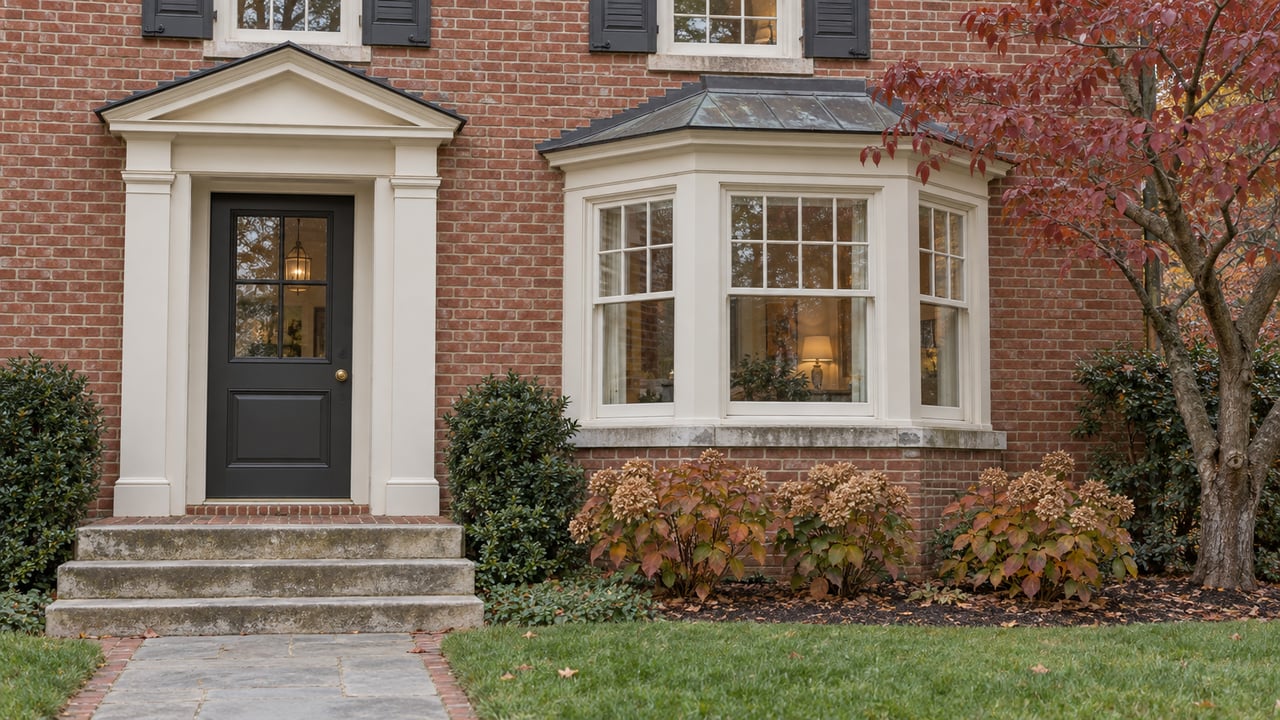
Colonial Revival and Georgian homes express luxury in a different way. These styles are generally known for symmetry, classical detailing, centered porticos, fanlights or sidelights, and hipped roofs or cupolas.
From the street, these homes often read as orderly and formal. The front entrance usually acts as a clear focal point, creating a strong visual axis that gives the property a composed, balanced appearance.
Inside, that formal presentation often continues through a central-hall layout. While each home is different, the style usually supports a more structured floor plan than many newer builds.
Why Buyers Notice These Homes
Colonial and Georgian homes appeal to buyers who value proportion, tradition, and curb appeal with a timeless feel. Their facades often photograph beautifully, and their layouts can feel intuitive and refined.
For sellers, these homes benefit from presentation that emphasizes symmetry, natural light, and the relationship between formal and casual spaces. In Ladue, where architectural consistency matters, that kind of clarity can strengthen first impressions.
French Country and Old-World Influence
Ladue’s luxury market also includes French Country and other European-inspired homes that rely on warm, tactile materials. A local Ladue residence described by its architect includes tumbled stone, brick veneer, a timber-framed front porch, a vaulted timber-beam parlor, covered outdoor living space, and a suite above a four-car garage.
Those details help explain why this style remains so appealing. It often blends estate-scale living with a welcoming atmosphere, using layered materials and gathering spaces that feel substantial without feeling stiff.
French Country homes in Ladue often emphasize texture over strict formality. Stone, brick, timber, and thoughtfully designed outdoor areas usually work together to create a lived-in sense of luxury.
What Stands Out About the Style
If you enjoy homes that feel grounded and warm, this style may resonate with you. Covered porches, patios, and multiple gathering areas can make everyday living and entertaining feel more connected.
For sellers, these homes often benefit from marketing that captures materials up close and shows how indoor and outdoor spaces relate. In a visual market like Ladue, those details can help a home feel distinctive and memorable.
Mediterranean, Mission, and Chateauesque Details
Some Ladue homes draw on other European traditions as well. In broader St. Louis architectural references, Mission or Spanish Revival homes are known for low-pitched red tile roofs, curvilinear parapets, stucco walls, and restrained ornament.
Chateauesque homes present a different kind of drama. They are characterized by steep roofs, ornate dormers and chimneys, projecting bays, and turrets.
In Ladue, these features often create picturesque curb appeal and large roof forms. They can also shape outdoor areas so patios, terraces, and garden-facing spaces feel like natural extensions of the home.
How These Styles Live
For buyers, these styles can feel highly expressive and visually memorable. Rooflines, materials, and exterior shapes often create a strong identity before you even step through the front door.
For sellers, homes with distinctive architectural details usually benefit from careful visual storytelling. The goal is to show not only the house itself, but how those details contribute to the experience of living there.
Modern and Prairie Influences in Ladue
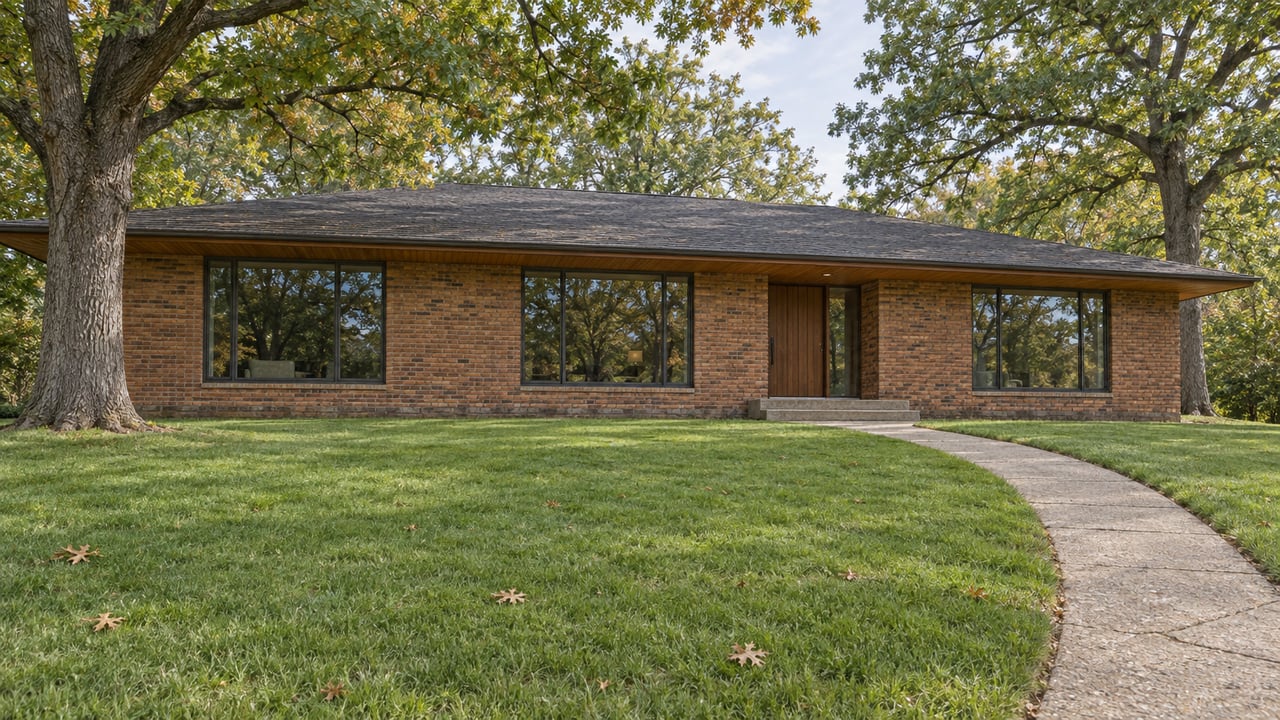
While Ladue is often associated with traditional estates, modernism is part of the city’s architectural record. National Register documentation identifies 1950s Modern Movement houses in Ladue, including examples on Dielman Road and Graybridge Lane.
Modern design generally emphasizes clean lines, utility, walls of glass, and open floor plans. Compared with revival-style homes, these houses often feel lighter and more connected to the surrounding landscape.
A Ladue Prairie School example offers a useful local snapshot of how this can look today. Features include an open main level, large windows and doors, glass-railing decks, strong visual connection to the rear yard, and easy access to patio and pool areas below.
Why Modern Homes Appeal
If your priority is flow, light, and indoor-outdoor living, newer custom and modern-influenced homes often meet that need well. Flexible rooms, open kitchens, and strong yard connection can support the way many people live today.
For sellers, modern homes often need presentation that highlights volume, sightlines, and landscape connection. In Ladue, strong architecture tends to perform best when buyers can immediately understand how the design supports daily life.
Materials That Define Ladue Luxury
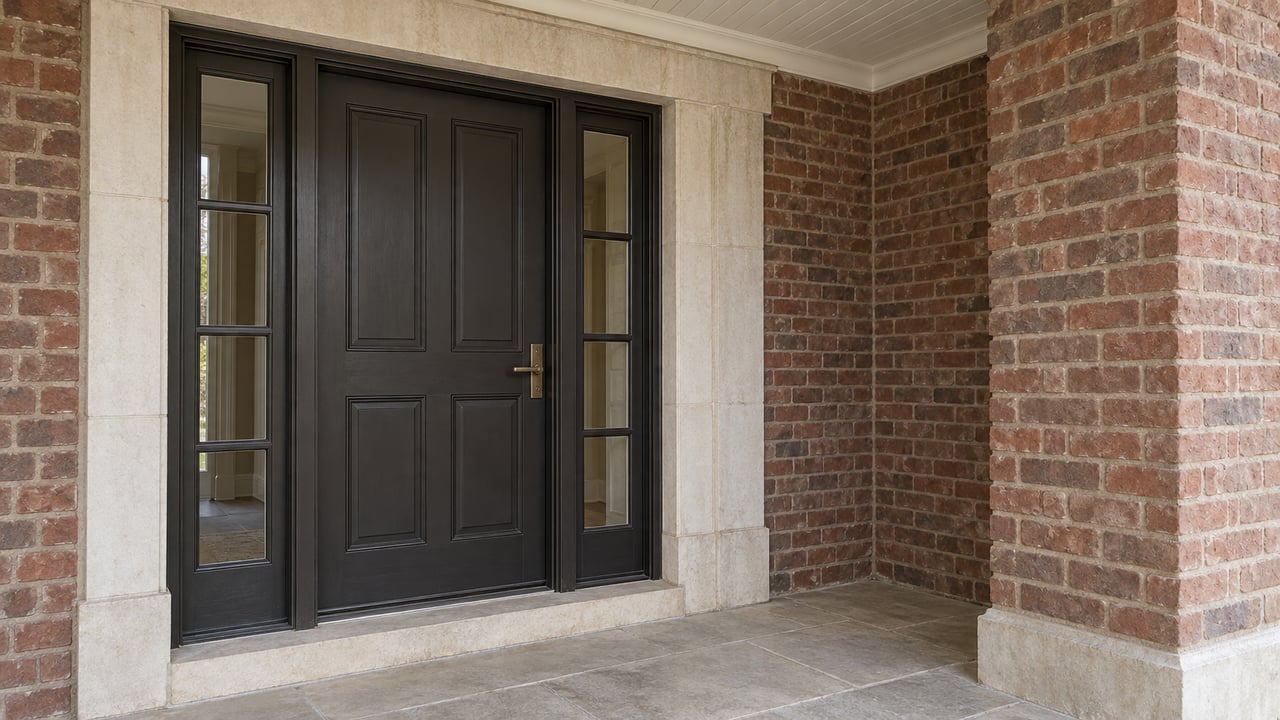
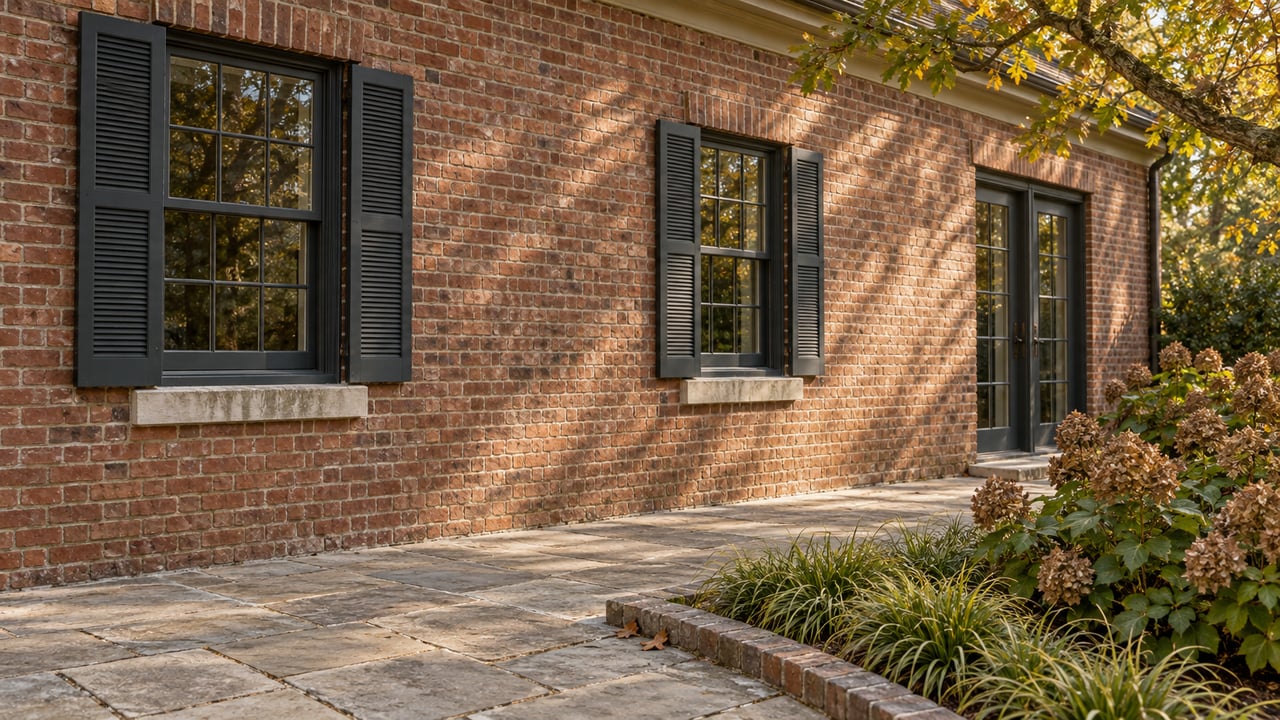
Across styles, some materials appear again and again in Ladue’s higher-end homes. Brick, stone, stucco, timber, slate or tile roofs, and mature landscaping are recurring elements that help create a sense of durability and place.
This is one reason newer homes often still feel rooted in Ladue. The city’s review process asks that additions and new construction relate well to the original building and surrounding structures, which helps preserve visual compatibility.
For you, that means luxury in Ladue is often less about trend and more about permanence. Even when interiors are fully updated, the exterior expression usually stays connected to the neighborhood context.
How Style Affects Everyday Living
When you compare architectural styles in Ladue, the most useful question is often not which style is best. It is which style fits the way you want to live.
Traditional Colonial and Tudor homes often emphasize formal entries and more defined room separation. French Country and Mediterranean-influenced homes tend to feature heavier materials and strong porch or patio living.
Newer custom builds often focus on open kitchens, larger glass openings, and easier movement between indoor and outdoor spaces. Those differences can shape everything from entertaining to privacy to how natural light moves through the house.
What This Means for Ladue Sellers
If you are preparing to sell in Ladue, architecture is a major part of your home’s value story. Buyers in this market are often responding not just to finishes, but to how the home’s style, lot, and layout work together.
That means presentation should bring the architecture into focus. Exterior photography, room flow, materials, and site relationship all help tell a more complete story, especially in a market where design character can vary so widely from one property to the next.
For homes with strong architectural identity, a polished launch can make a meaningful difference. Thoughtful preparation, visual presentation, and a clear positioning strategy help buyers understand what makes your property stand out in the Ladue market.
If you are thinking about selling a luxury home in Ladue, Thompson & Richardson Real Estate offers a high-touch, design-aware approach that helps position distinctive properties for today’s market.
FAQs
What architectural styles are common in Ladue luxury homes?
- Ladue includes Tudor Revival, Colonial Revival, Georgian, French Country, Mission or Spanish Revival, Chateauesque, and modern or Prairie-influenced homes.
Why do Ladue homes look so different from one another?
- Ladue’s housing stock reflects a mix of large-lot estate zoning, smaller suburban pockets, mature landscape, and a long-standing architectural review process that supports compatibility while allowing design variety.
What defines a Tudor home in Ladue?
- Tudor homes in Ladue often feature brick or stone construction, steep rooflines, front gables, dormers, casement windows, and decorative half-timbering.
How do Colonial and Georgian homes in Ladue differ from newer custom homes?
- Colonial and Georgian homes usually present a more symmetrical, formal exterior and a more structured interior layout, while newer custom homes often emphasize open plans and stronger indoor-outdoor connection.
Are modern homes part of Ladue’s architectural character?
- Yes. Modern Movement homes are part of Ladue’s documented architectural record, and newer custom homes in the area often use clean lines, large glass openings, and open living spaces.
What materials are most associated with Ladue luxury homes?
- Common materials include brick, stone, stucco, timber, slate or tile roofs, and mature landscaping that helps homes feel established and connected to their setting.